Genres:
Sold by Booksmandala NepalLimited stock available
Get Estimated Arrival Time
Synopsis
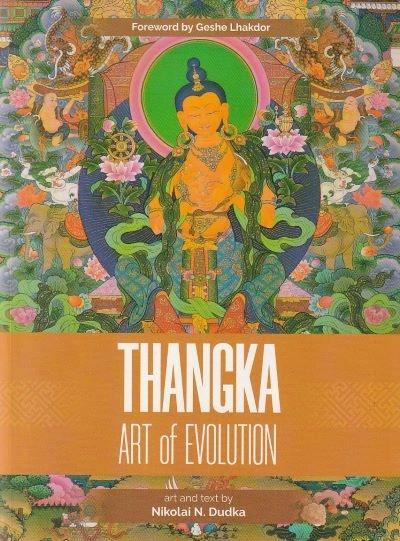
We Tibetans as well as our Himalayan, Mongolian, Buryat, Kalmyk and Tuvan brothers and sisters regard thangka paintings as sacred, for they represent aspects of enlightenment. They are a source of inspiration. We say that for a Buddhist practitioner their function is to support faith, because they encourage the aspiration to acquire the qualities the images represent. I am pleased to know that Nikolai Dudka is not only contributing to the preservation of thangka painting in Russia, but, with the publication of this book, is enabling all readers to come to a better understanding of Tibetan Buddhism and a greater appreciation of its timeless values.
His Holiness the XIV Dalai Lama's foreword to the author's "Thangka-art of philosophy, meditation and yoga".
Tibetan art is the pictorial awareness of inner experiences in a pilgrimage to the timeless omnipresence of cosmic consciousness. It is a purified meditative universe to transform our environment into poise and serenity.
The most characteristic product of Tibetan pictorial art is the thangka, found in temples and private chapels. They are carried in religious processions, and often serve to illustrate a sermon.
Tibetan art is closely connected with ritual and meditation. Nobody sets hands to it who has not attuned himself to the divine worlds he wants to represent according to traditional symbols.
The image does not spring from fancy, but accords to carefully laid out prescriptions of proportions, attributes, colours, and the chanting of mantras. It is the abode of a deity, inhabiting the liturgic force.
Lokesh Chandra
Tibetan Art
Other info
Page Count
131 Pages
Weight
325g
ISBN
9788196718268
Language
English
Ratings & Reviews(0)


AdvertisementAds