Genres:
Sold by Booksmandala NepalNo item left in stock!
Synopsis
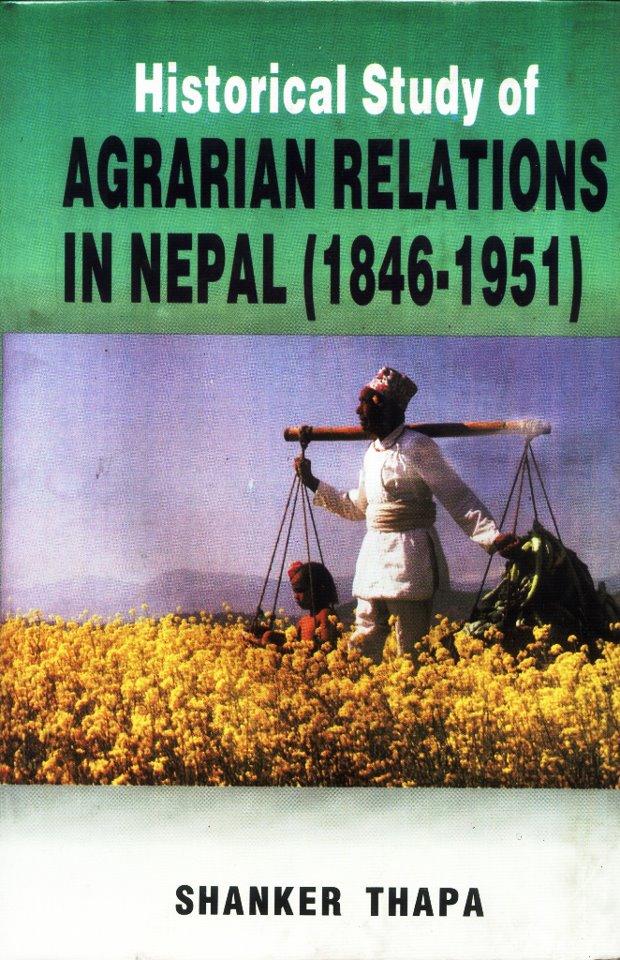
Abstract : Research was conducted in the Begnas area of Kaski District, Nepal, in 1987 and 1993 to describe and analyse the decisions made by farmers in the production of crops and management of resources (both common and private), in particular decisions made by farmers in the face of pressures and opportunities generated by internal and external economic forces. Aspects of village life in Begnas, located 15 km east of Pokhara at 600-1500 m altitude, were also considered. The 6-year time-span between 1987 and 1993 represents a period during which farmers of Nepal faced rapid changes in their economy because of internal pressure and the greater integration of rural areas into the world market. The farmers retained, however, their traditional strategy in farming, even though they also adopted some modern farming techniques and farm inputs to increase production. As a result, the predominant farming system remained subsistence-oriented, mixed, integrated and diversified, even though government intervention favoured the process of commercialization. The mixed and diversified farming system enabled farmers to spread labour requirements and to augment the food security of the family. KEYWORDS: TROPAG | farming systems | decision making | survival | technological changes | traditional farming | socioeconomic environment | villages | farm surveys | NEPAL
Other info
Page Count
265 Pages
Weight
490g
ISBN
b500
Language
English
Ratings & Reviews(0)


AdvertisementAds