Genres:
Limited stock available
Get Estimated Arrival Time
Synopsis
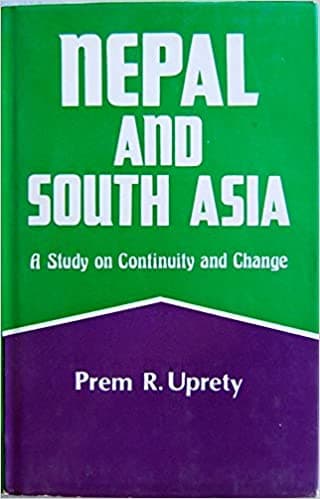
Nepal and India are not only non-aligned nations belonging to the third world; but are also bastions of tradi-tional conservatism going through a process of hectic change and transforma-tion. They share a common culture, values, and socio-religious traditions and are going through a rapid social and technological changes as the world prepares Oself to step in to the shoes of the twenty-first century. The themes covered by this book ranges from asthetics and traditions to cultural identity and from Transposi-tion of cultural values to the concept of South Asian regional security. The theme of nationalism or commu-nalism one way or the other can be taken as the organizing method of approaching South Asian history. In fact the theme of communal nationalism not only sets the tone of South Asia; but forms the primary guideline to under-11 stand the problems and intricacies of 0 South Asian historiography. The theme Imiof nationalism persists in this book and continues to be one of the major build-ing block in shaping Nepal-India relations. The book sets to examines all these critical issues at length and thus enables us to understand the social and political texture of South Asia.
Other info
Page Count
205 Pages
Weight
410g
ISBN
BMB1DD07A17B0B
Language
English
Ratings & Reviews(0)


AdvertisementAds