Genres:
Sold by Booksmandala NepalNo item left in stock!
Synopsis
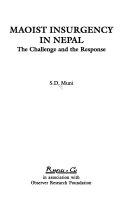
The Maoist insurgency is the product of Nepal's failed governance and persisting under-development. This brief study shows that the Maoists' violent methods to capture power may not have the approval of dominant elites and international community, but their political and socio-economic agenda have considerable appeal for the poor and long suppressed Nepalese masses. After analyzing the seven years of insurgency, the study critically examines the responses of the Nepalese government and the international community, particularly the US, UK and China. The study also underlines that India may have to radically redefine its approach to the developments in Nepal to preserve and promote the Kingdom's peace and stability, as also in its own enlightened strategic interests.
Other info
Page Count
134 Pages
Weight
250g
ISBN
9788129102225
Language
English
Ratings & Reviews(0)


AdvertisementAds