Genres:
Sold by Booksmandala Nepal
Synopsis
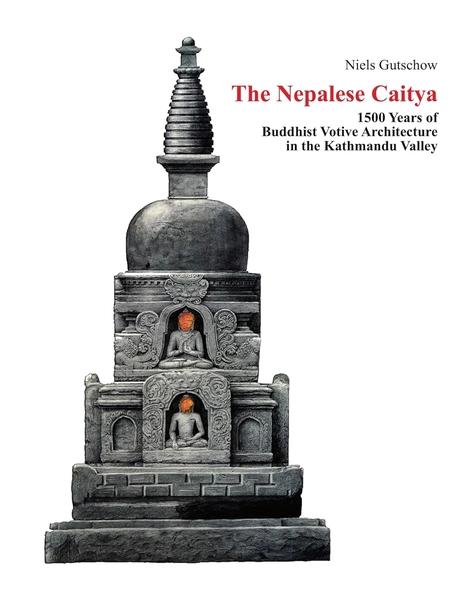
The Nepalese Caitya: 1500 Years of Buddhist Votive Architecture in the Kathmandu Valley is a landmark study of the small yet spiritually powerful Buddhist monuments that shape the sacred landscape of Nepal. Spanning fifteen centuries of architectural and devotional practice, the book offers the first comprehensive exploration of caityas—votive shrines often referred to as stupas—within the Kathmandu Valley.
Through meticulous fieldwork, historical analysis, and rich visual documentation, the author traces the evolution of caitya design from early Licchavi-period forms to later medieval and early modern elaborations. The study examines their architectural typologies, inscriptions, patronage patterns, ritual functions, and symbolic meanings, revealing how these monuments served not only as religious offerings but also as markers of social identity, memory, and community devotion.
Set against the cultural and urban fabric of the Kathmandu Valley, the book highlights how caityas are integrated into courtyards, crossroads, monastic complexes, and pilgrimage routes. It demonstrates how Newar Buddhist communities sustained and transformed this architectural tradition across centuries of political change while maintaining deep continuity in religious practice.
Scholarly yet accessible, The Nepalese Caitya is an essential resource for students of Buddhist art and architecture, South Asian studies, religious history, and Himalayan culture. Richly illustrated and grounded in epigraphic and archaeological evidence, it remains a foundational reference for understanding the devotional architecture of Nepal and the enduring spiritual presence of the caitya in everyday life.
Other info
Page Count
328 Pages
Weight
2105g
ISBN
9789937733311
Language
English
Ratings & Reviews(0)


AdvertisementAds