Genres:
Get Estimated Arrival Time
Synopsis
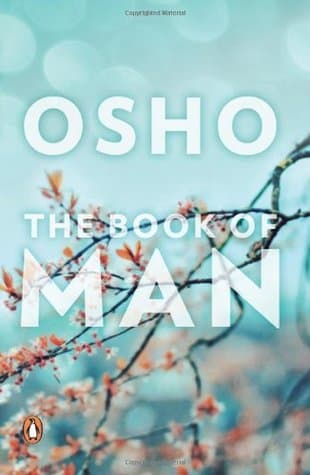
In The Book Of Man, Osho discusses how most of mankind has become alienated from their spiritual selves in the quest for power, glory, and success. He also talks about how this quest of mankind is resulting in a slow disconnect from creativity and innocence. The spiritual leader assesses man from the point of view of the society, and how he is shaped and victimized by the conditions imposed upon him. He also points out politics and religion as the two major elements that have contributed to the shaping of the modern man. With the belief that bringing back innocence is the only way to bring back paradise, Osho challenges political manifestos and the various religions that shape world order today. The Book Of Man is an assessment of the various roles that man plays in society, like the son, the father, the animal, the robot, the playboy, the beggar, and the monk. The author examines in detail how all these roles are playing key parts in the directionlessness of man. Osho touches on several sensitive topics in the book. For example, he has supported and encouraged homosexuality and observed it as an essential phase during the growth of man. In the final part of the book, Osho describes his vision of a new man by exploring the roles of the meditator, the gambler, the warrior, and the creator.
Other info
Page Count
276 Pages
Weight
230g
ISBN
9780143420606
Language
English
Ratings & Reviews(0)


AdvertisementAds