Genres:
Sold by Booksmandala NepalNo item left in stock!
Get Estimated Arrival Time
Synopsis
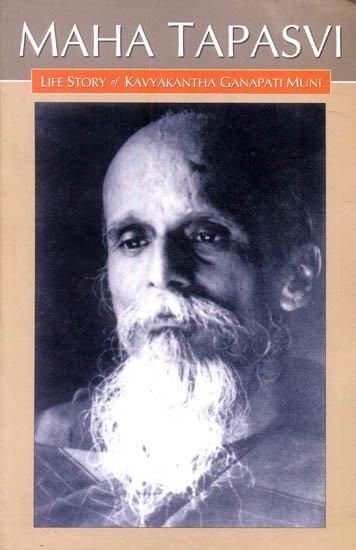
Page after page of this book, written by Ganapati Muni’s grandson, reveals this Mahamanava (great man) as a Mahatapasvi, Mahakavi, Mahavidvan and Mahabhakta. He was indubitably a great tapasvin, poet, scholar and devotee extraordinary.
His life of intense penance found its fulcrm the moment he met Ramana Bhagavan at Virupaksha Cave, when he was initiated into the meaning of tapas. Never did a greater poet-devotee meet a greater Jnani-Sadguru. The Muni instantly recognizing the young Swami’s unique greatness, named him Bhagavan Sri Ramana Maharshi.
Many chapters of this book begin with a verse from Uma Sahasram, the Muni’s poetic masterpiece, which, by common scholarly consent, is one of the greatest Sanskrit poems of all times. Here too, the Muni acknowledged Ramana as the source of inspiration.
Apt quotations from this monumental work also appear throughout the book, besides verses from other works of the Muni like Indrani Saptasati, Ramana Gita, Ramana Chatvarimsat etc., greatly enhancing the beauty and depth of this book.
A series of oxymoron’s mark the Muni’s life: He was a rational traditionalist and a rebel-reformer; He was proud of his country and religion but humble to a fault as an individual; a widely adored teacher and also a disciple totally surrendered to the Guru.
Impatient to reform the society but patiently learning the secret of Selfhood; a lion in the world at large but a lamb at the feet of his master; a colossus in intellect, a mental giant who got peace from one who transcended the mind and intellect. This book throws light on all these aspects of this amazing personality who found refuge in the Mighty Impersonality that Ramana was.
No greater tribute was ever paid to the Muni than what his Master himself said upon hearing of his passing: “When will come such another.”
Other info
Page Count
308 Pages
Weight
400g
ISBN
b1608
Language
English
Ratings & Reviews(0)


AdvertisementAds