Genres:
Sold by Booksmandala NepalLimited stock available
Get Estimated Arrival Time
Synopsis
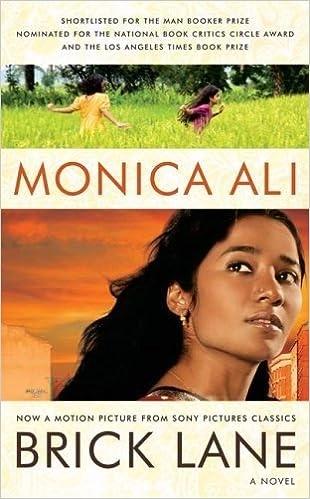
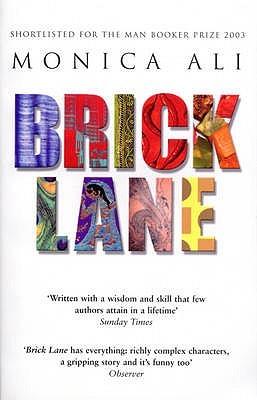
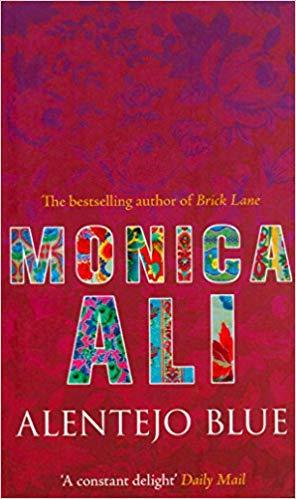
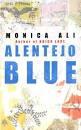
With the 2003 publication of her acclaimed debut novel, Brick Lane in 2003, which was short-listed for the Man Booker Prize, Monica Ali established herself as a keen observer of the human condition, in all its ordinariness and its follies. The setting was England, pre-and post-9/11, in an apartment house occupied mostly by Bangladeshi immigrants. In Alentejo Blue, the setting is a village community in Portugal, called Mamarossa. Once again, Ali has turned her unerring eye on the inner landscape of her characters. In a series of episodic vignettes, she limns the daily lives, hopes, wishes, and dreams of villagers and visitors alike. Her special gift is capturing the small detail that shows the person: the filthy rag that Vasco mindlessly uses to wipe the tables in his cafe as he muses about his dead American wife and what he will eat next; the smelly never-washed clothes that drunken China Potts appears in again and again. She doesn't shrink from the disgusting or the gross, but her revelations are never gratuitous. This is information the reader needs.
Stanton is the blocked writer who sits in Vasco's cafe, taking in the local scene. He becomes deeply involved with the truly messy Potts family: drunken father, spacey mother, promiscuous daughter and lonely young son. Interestingly, they make a stab at pulling themselves together; Stanton's answer is to find someplace else to sit, perhaps in a more northern clime.
Two of the best stories are those of young Teresa, a village native, who has a chance to leave for London and an au pair position. Will she be able to leave? Ali writes beautifully of all the things weighing on her decision. The other story is that of an engaged couple from England, taking a break from wedding planning, her mother, church, and all the folderol. He is adamantly against the whole charade; she doesn't want to talk about it. That isn't what their distance is about anyway, as we find out
The villagers are waiting for the arrival of Marco Alfonso Rodrigues, a man who left years ago and is reputed to possess great wealth. Everyone has a different idea of what will happen when he arrives and how his presence will impact the life of the village. When he finally arrives late in the story, nothing is quite as anticipated.
One of Ali's characters says, "We think we live like kings, but we are puppets on the throne. We send out proclamations and fancy we are making History and forget that it has made us." With great compassion and insight, Ali writes of her "kings," and we learn how their history has, indeed, formed them. She leaves us to wonder if they can change, or if they really want to. --Valerie Ryan
Other info
Page Count
299 Pages
Weight
345g
ISBN
9780385604871
Language
English
Ratings & Reviews(0)


AdvertisementAds